Source solar water heater silicone o ring for bearings, vehicles, and appliances
Find 30 verified listings for solar water heater silicone o ring designed for bearings, vehicles, and household appliances. Compare specifications including EPDM and silicone materials, hardness, and working pressure to select the right seal for your industrial component needs.
Key considerations
Products List





Comprehensive Sourcing Guide
Strategic Sourcing Guide for Solar Water Heater Silicone O-Rings
Understanding Technical Specifications and Material Integrity
When sourcing silicone O-rings specifically for solar water heater applications, the primary focus must be on material compatibility and dimensional precision. The supplied product data indicates that Silicone Rubber is a verified material option for these components, offering a critical balance of flexibility and thermal stability. In the context of solar water heating systems, the O-ring must withstand continuous exposure to elevated temperatures and varying pressure conditions without degrading. The observed operational temperature range for similar sealing products in this category spans from -20°C to +220°C, a range that is essential for ensuring the seal remains effective during both night-time cooling cycles and peak solar heating periods.
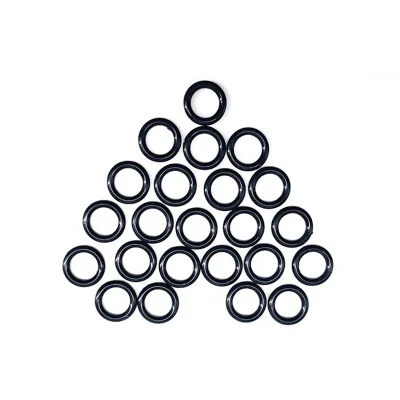
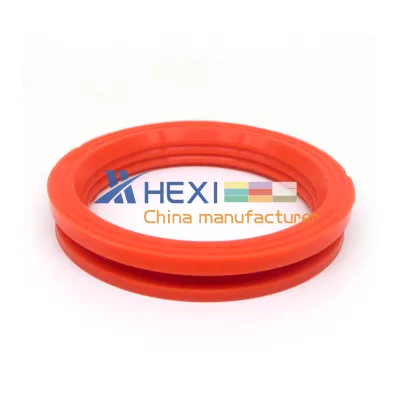
The physical geometry of the seal is equally significant. The product attributes confirm that the standard shape for these components is the O-Ring, with a specific cross-section shape also identified as O-Rings. This geometry is fundamental for creating a reliable static or dynamic seal within the manifold or collector assembly of a solar water heater. Buyers must verify that the cross-sectional diameter and inner diameter align precisely with the housing grooves of their specific solar unit to prevent extrusion or blow-out under pressure. The data notes that the working medium for these seals includes oil, water, atmosphere, and coal gas. For solar water heaters, the "water" and "atmosphere" mediums are the primary concerns, requiring the material to resist hydrolysis and oxidation over long service lives.
Furthermore, the hardness of the O-ring is listed as "According to Requirement." This variability is a crucial procurement point. A seal that is too soft may extrude into gaps under high pressure, while one that is too hard may fail to conform to surface imperfections, leading to leaks. The fixed pressure rating observed in the supply data is 1500kg/Cm², which suggests that high-performance variants are available for demanding industrial applications. However, for standard residential solar water heaters, the required pressure rating will likely be lower, and buyers should confirm the specific pressure limits of their system design against the supplier's capabilities. Customization is available for these attributes, allowing for tailored solutions that match the exact engineering requirements of the solar collector.
Compliance, Certification, and Regulatory Standards
Navigating the compliance landscape is a non-negotiable aspect of sourcing industrial sealing components. The supply data highlights several key certifications that indicate a supplier's commitment to quality management and environmental safety. Specifically, ISO 9001:2008 and ISO 9001:2015 are cited as certified standards. These quality management system certifications are vital for ensuring that the manufacturing process is consistent and that the supplier has established procedures for defect prevention and continuous improvement. For a solar water heater manufacturer, relying on a supplier with ISO 9001:2015 certification reduces the risk of batch-to-batch variability in the silicone rubber properties.
In addition to quality management, environmental and safety certifications are increasingly important in the global market. The data references IATF 16949:2016, a standard specifically designed for the automotive industry, which implies a high level of rigor in process control and defect prevention. While solar water heaters are not automotive components, the adoption of IATF 16949 standards by a supplier suggests a robust quality infrastructure that can be beneficial for high-volume production. Furthermore, RoHS (Restriction of Hazardous Substances) is listed as a certification. This is critical for solar water heaters intended for export to regions with strict environmental regulations, as it ensures the silicone material does not contain prohibited levels of lead, mercury, cadmium, or other hazardous substances.
The HS code 401699 is provided, which classifies these items under "Other articles of vulcanized rubber other than hard rubber." This classification is essential for logistics and customs clearance. Buyers must ensure that their suppliers accurately declare this code to avoid delays or duties. Additionally, the product origin is listed as Jiangsu, Jiangyin, China, and the general origin is China. While this provides a geographical baseline, buyers should verify the specific factory location and audit the facility's compliance with local and international labor and environmental laws. The presence of SGS certification in the data further reinforces the availability of third-party verification for product quality and safety. When evaluating potential suppliers, buyers should request current copies of these certificates and verify their validity dates, as certifications can expire or be revoked.
Cost Drivers and Pricing Dynamics
The pricing structure for silicone O-rings is influenced by a complex interplay of material costs, customization requirements, and order volume. The observed price range in the market is broad, spanning from $0.01 to $1000 USD. This wide variance indicates that the unit price is not a fixed metric but is heavily dependent on the specific configuration of the order. A standard, off-the-shelf O-ring with a common cross-section and material grade will likely fall at the lower end of this spectrum. Conversely, a custom-molded O-ring with a unique shape, specific hardness, or specialized packaging will command a higher price.
Material costs are a primary driver. Silicone rubber is a premium elastomer compared to standard nitrile or EPDM, and its price fluctuates based on global raw material markets. The data mentions EPDM as another material option, which may be a lower-cost alternative for applications where the extreme temperature resistance of silicone is not required. However, for solar water heaters, silicone is often preferred due to its superior thermal stability. The "Customization" attribute is available, which introduces another cost variable. Custom molds, special tooling, and unique color requirements (such as Red or Black) can increase the per-unit cost significantly.
Order volume is the most significant factor in determining the final price. The Minimum Order Quantity (MOQ) ranges from 1 to 100,000 units, with a specific observation of an MOQ of 3000 PCS for certain items. Suppliers typically offer tiered pricing structures where the unit cost decreases as the order volume increases. For a solar water heater manufacturer, ordering in bulk to meet the MOQ can drastically reduce the cost per unit. However, the high-end MOQ of 100,000 suggests that some suppliers cater to massive industrial contracts, while others may accommodate smaller prototyping runs. Buyers must balance the need for inventory against the capital tied up in stock. Additionally, packaging requirements, such as "PE Bags and Carton Box" or "OPP Bag with Cartons," can add to the overall cost, especially if custom branding or specialized protective packaging is requested.
Typical Applications and Performance Requirements
Silicone O-rings are versatile components used across a wide array of industries, but their application in solar water heaters is distinct due to the environmental stressors involved. The data lists applications including Vehicle, Household Appliance, Electronic Product, Machinery, and Industrial Component. Solar water heaters fall squarely into the "Household Appliance" and "Machinery" categories, but they also share characteristics with "Industrial Component" applications due to the high temperatures and pressures involved in commercial systems.
The specific performance attribute of "Wear" is noted in the data, indicating that these seals are designed to resist abrasion and mechanical degradation. In a solar water heater, the O-ring is typically subjected to static sealing conditions, but thermal cycling can cause expansion and contraction that mimics dynamic wear. The seal must maintain its elasticity and compression set properties over thousands of heating and cooling cycles. The working medium of "Water" and "Atmosphere" confirms that the seal must be resistant to the corrosive effects of treated water and the oxidative effects of air, particularly in the header tank or manifold areas where leaks are most critical.
The data also mentions "Stationary Seal" and "Rotary Seal" types. For solar water heaters, the O-ring is almost exclusively used as a stationary seal within the collector frame or pipe connections. However, if the system includes a pump or a rotating valve, a rotary seal configuration might be necessary. The "Flat Gasket" and "Ring Gasket" types listed in the data suggest that the supplier offers a range of sealing solutions beyond just O-rings, which could be useful for flange connections in the solar piping system. The ability to customize the color, such as "Black, White, Ect." or "Red," is often a functional requirement for color-coding different pressure zones or simply for aesthetic integration into the appliance design.
Supplier Evaluation and Operational Capabilities
Selecting the right supplier requires a rigorous evaluation of their operational capabilities and production flexibility. The supply data indicates that the products originate from Jiangsu, Jiangyin, China, a region known for its manufacturing density. Buyers should verify the specific factory's capacity to handle their required volume and lead times. The observed lead times and shipping methods, such as "by Sea/Air," suggest that logistics planning is a key part of the procurement process. For large orders, sea freight is the most cost-effective option, while air freight may be necessary for urgent replacements or small prototype batches.
The "Customization" attribute is a strong indicator of a supplier's flexibility. A supplier that offers customization in material, shape, color, and packing is better equipped to handle the specific needs of a solar water heater manufacturer. The data shows that the standard can be "Standard" or "Nonstandard," and the model can be "All size" or "as your drawings." This implies that the supplier can produce custom molds based on buyer-provided engineering drawings, which is essential for ensuring a perfect fit in proprietary solar collector designs. The "Spring Washer Type" and "Combination Washer Structure" attributes, while seemingly unrelated to O-rings, suggest that the supplier may offer a comprehensive range of sealing and fastening components, which could streamline the sourcing process.
When evaluating suppliers, buyers should also consider the "prod_packing" options. The data lists "Carton," "PE Bags and Carton Box," and "OPP Bag with Cartons." Proper packaging is critical to prevent damage during transit, especially for rubber products that can be sensitive to UV exposure or physical compression. A supplier that offers robust, protective packaging demonstrates a commitment to product quality. Additionally, the "Certificated" status, including ISO 9001 and IATF 16949, should be verified through third-party audits or direct requests for certificates. A supplier with a strong track record of compliance is less likely to introduce quality issues that could lead to field failures in solar water heaters.
Quality Control and Long-Term Procurement Strategy
Ensuring long-term reliability requires a proactive approach to quality control and supplier relationship management. The "Performance: Wear" attribute highlights the need for durability testing. Buyers should request test reports that verify the O-ring's resistance to thermal aging, compression set, and chemical resistance to the specific water treatment chemicals used in their solar systems. The "Hardness: According to Requirement" attribute means that hardness testing is a critical quality control step. Buyers must define the Shore A hardness range required for their application and ensure the supplier has the capability to test and certify this parameter for every batch.
The "Size: Custozmied" and "Size: 13167" entries in the data indicate that both custom and specific standard sizes are available. For long-term procurement, it is advisable to standardize on a set of O-ring sizes that cover the majority of the solar water heater models produced. This reduces the complexity of inventory management and allows for economies of scale. However, the availability of "as your drawings" and "customized" options ensures that the supply chain remains flexible for new product development.
Long-term procurement considerations also include the stability of the supply chain. The "Shipping: by Sea/Air" and "Packing: by Carton" details suggest that the supplier has established logistics channels. Buyers should assess the supplier's ability to maintain consistent lead times, especially during peak seasons or global supply chain disruptions. The "MOQ: 3000PCS" observation suggests that the supplier is geared towards medium-to-large volume orders. For buyers with fluctuating demand, negotiating a flexible MOQ or establishing a framework agreement can help mitigate the risk of stockouts or overstocking.
Finally, the "HS: 401699" classification underscores the importance of maintaining accurate documentation for international trade. Buyers should ensure that their contracts with suppliers clearly specify the HS code and that the supplier is responsible for providing all necessary export documentation. By focusing on these quality control and logistical aspects, buyers can secure a reliable supply of high-performance silicone O-rings that will ensure the longevity and efficiency of their solar water heater products. The combination of verified certifications, customizable specifications, and robust packaging options provides a solid foundation for a successful procurement strategy in this specialized market.
FAQs
What material options are available for solar water heater silicone o rings?
Silicone rubber is a verified material option for these components, offering flexibility and thermal stability. EPDM is also available as an alternative, though silicone is preferred for its superior resistance to the high temperatures found in solar heating systems.
Which certifications ensure quality for these sealing components?
Suppliers often hold ISO 9001:2015 and IATF 16949:2016 certifications to guarantee consistent manufacturing processes. RoHS certification is also available, ensuring the materials do not contain hazardous substances like lead or mercury for environmental compliance.
How does the operational temperature range affect solar heater performance?
The observed operational temperature range spans from -20°C to +220°C, ensuring effectiveness during night cooling and peak heating. This wide range prevents the seal from degrading under the thermal cycling typical of solar water heater applications.
Can buyers request custom dimensions for these o rings?
Yes, customization is available for shape, size, and color to match specific engineering drawings. Buyers can specify dimensions like 13*16*7 or request other sizes, allowing for tailored solutions that fit proprietary solar collector designs precisely.
What is the typical minimum order quantity for these products?
The minimum order quantity ranges from 1 to 100,000 units depending on the supplier and customization level. Some specific items have an MOQ of 3000 pieces, while others may accommodate smaller prototyping runs with lower thresholds.
Which working mediums are these seals designed to handle?
These seals are designed to handle oil, water, atmosphere, and coal gas. For solar water heaters, the primary focus is on resistance to water and atmosphere to prevent leaks and corrosion in the manifold and pipe connections.
Where are these products typically manufactured and shipped from?
Products originate from Jiangsu, Jiangyin, China, with general origins listed as China. Shipping methods include sea or air freight, allowing buyers to choose based on urgency and volume requirements for their procurement needs.